
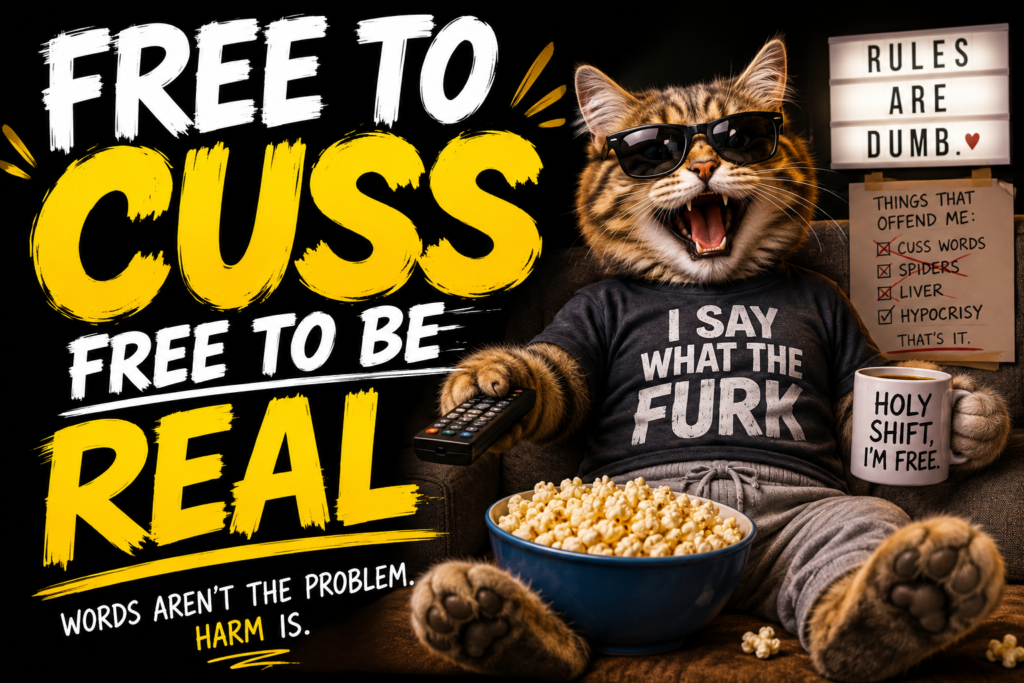
My nephew Rowen is 12 years old, and he acts like one of the worst things a human being can possibly do is say a cuss word.
Seriously.
He refuses to watch movies that contain profanity, and whenever we watch something together, we often have to turn on those “family-friendly” filters that mute the cuss words. The problem is that these filters are terrible. Half the dialogue disappears because the software thinks words like “butt” are offensive. You end up hearing awkward silent pauses every few seconds and missing entire lines of conversation.
But honestly, I understand why Rowen thinks the way he does.
He is pure-hearted. He genuinely wants to do the right thing. He is extremely obedient to his parents, and the last thing he ever wants is to disappoint them or break their rules. In fact, he’s a little OCD about it. He constantly asks questions just to make sure he isn’t accidentally doing something wrong.
And the truth is… he reminds me of myself when I was his age.
After I first got “saved” as a teenager, I became incredibly zealous. I wanted to follow God perfectly and separate myself from “the world.” I was in middle school at the time, and everyone around me cussed constantly. Maybe that’s just because middle schoolers are desperate to feel rebellious or grown up.
But I took profanity extremely seriously.
I corrected people constantly. I became an annoying little moral police officer. I even gave a heartfelt emotional speech in front of one of my classes telling my classmates not to cuss because it “hurt God’s feelings.”
Looking back now, I cringe a little.
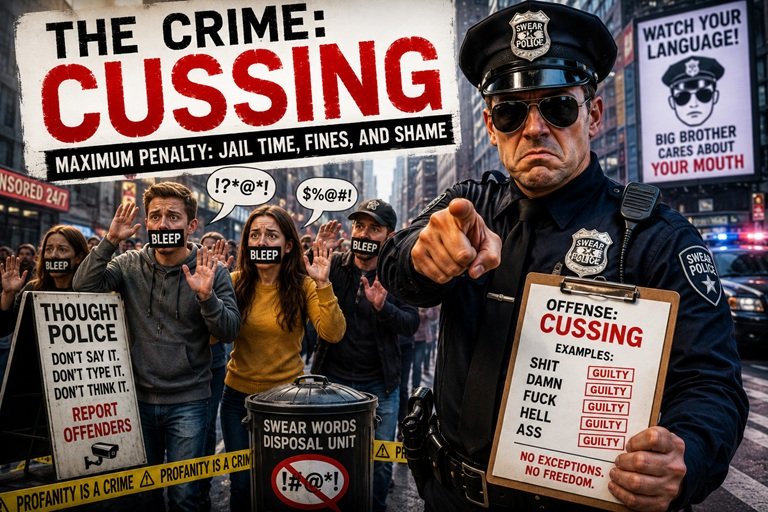
Because eventually, as I got older and began deconstructing my faith, I started realizing how absurd this obsession with “bad words” really is.
They’re just words.
That’s all they are.
Words are sounds humans invented. They are not magical spiritual landmines that offend God every time they leave your mouth.
What actually matters is how words are being used.
For example:
If I say:
“You’re fucking amazing.”
“You’re a badass.”
“You’re awesome as hell.”
Many Christians would think I had committed some terrible sin because I used profanity.
But if I say:
“You’re stupid.”
“You’re worthless.”
“You’re an idiot.”
Most Christians wouldn’t even blink.
Why?
Because I didn’t use a “cuss word.”
But the second set of statements is clearly more harmful. One builds someone up. The other tears someone down.
That’s when I began realizing that morality is not about specific syllables. It’s about intention, compassion, and harm.
You can use “clean” language to emotionally destroy someone.
And you can use profanity in ways that are joyful, funny, affectionate, cathartic, or emotionally expressive.
Even movies helped me realize this.
Movies are fiction. Actors are pretending. No one is actually being harmed when two characters yell at each other in a dramatic scene. If a character says “fuck” during a moment of grief, anger, fear, or realism, it serves the story. It helps communicate emotion.
The only reason many Christians feel guilty hearing profanity is because they’ve been conditioned to feel guilty.
We were trained to react emotionally to certain sounds.
But there is nothing inherently evil about those sounds.
In fact, sometimes profanity can even be positive.
Cussing can make jokes funnier.
It can make emotional expression more honest.
It can intensify passion and excitement.
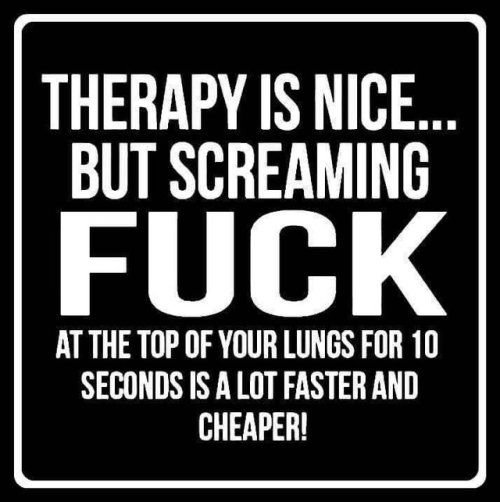
And interestingly enough, studies have even shown that swearing during pain can increase pain tolerance and reduce perceived pain significantly. Apparently, yelling “shit!” after stubbing your toe literally helps.
Honestly… that makes complete sense to me.
Now, to be fair, I’m not saying words can never be harmful.
If you use profanity to humiliate someone, degrade them, bully them, or verbally abuse them, then yes—that’s morally wrong.
But notice something important:
You don’t even need cuss words to do that.
A person can emotionally devastate someone while using perfectly “clean” language.
Again, the issue is not vocabulary.
The issue is the heart.
That’s why I no longer believe morality should revolve around petty religious speech codes.
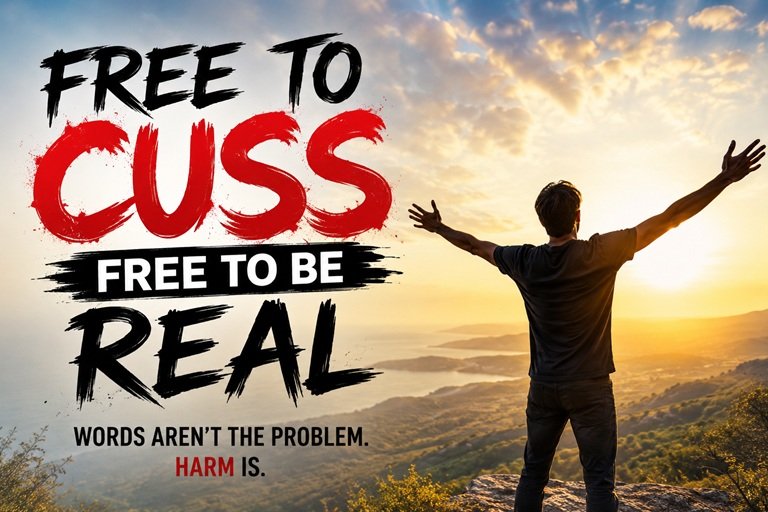
And while we’re on the topic, Christians often act like “God damn it” is one of the worst phrases imaginable because they think it’s “taking God’s name in vain.”
But technically, according to the Bible itself, “God” isn’t even God’s personal name.
In the Old Testament, the Hebrew name associated with God was Yahweh.
In fact, many Jewish people became so careful about not using God’s name improperly that they eventually stopped speaking the name Yahweh aloud altogether. Instead, they would say things like “Adonai” or “Hashem,” meaning “The Lord” or “The Name.”
So if someone truly wanted to use God’s actual name in vain, they would technically have to say “Yahweh damn it,” not “God damn it.”
Ironically, many Christians have never even thought about this.
Because most religious rule systems aren’t built on careful reasoning.
They’re built on inherited emotional conditioning.
And this is exactly the kind of thing The Simple Revelation seeks to move beyond.
We have spent far too much time obsessing over tiny religious rules that do not actually make people kinder, wiser, more compassionate, or more loving.
The Pharisees did the same thing.
They obsessed over technicalities while missing the bigger picture entirely.
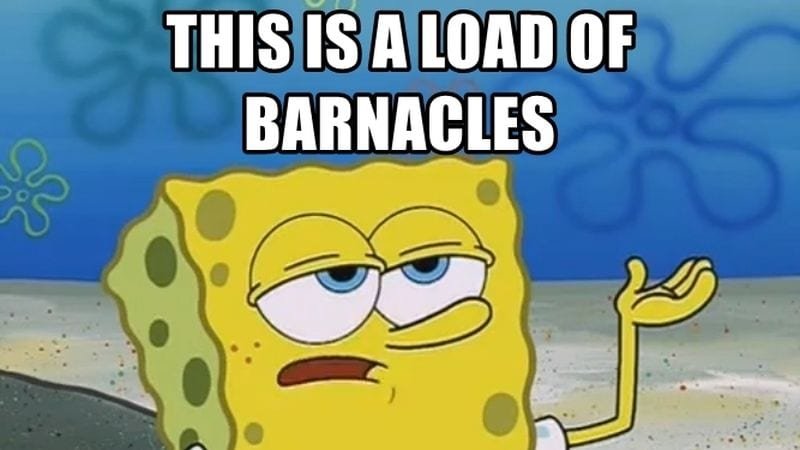
Real spirituality is not about policing vocabulary.
It’s about how we treat people.
It’s about compassion.
Empathy.
Honesty.
Humility.
Love.
And honestly, it feels incredibly freeing to let go of all these exhausting religious guilt systems.
I no longer feel guilty hearing cuss words in movies.
I no longer feel guilty saying “shit” when I stub my toe.
I no longer feel the need to sound like an elementary school teacher saying “darn,” “gosh,” or “dag nabbit” just to avoid offending a religious rulebook.
Because I genuinely do not believe God is sitting in heaven keeping score of vocabulary.
I think God cares infinitely more about whether we are loving people well.

So yes…
Sometimes I cuss.
Sometimes I say “God damn it.”
Sometimes I say “holy shit.”
Sometimes I say “fuck” because it genuinely expresses emotion better than any substitute word could.
And I no longer believe that makes me immoral.
What matters is whether my words are being used to hurt people or help them.
That’s the difference.
That’s the deeper issue.
And honestly?
It feels really damn good to be free.